
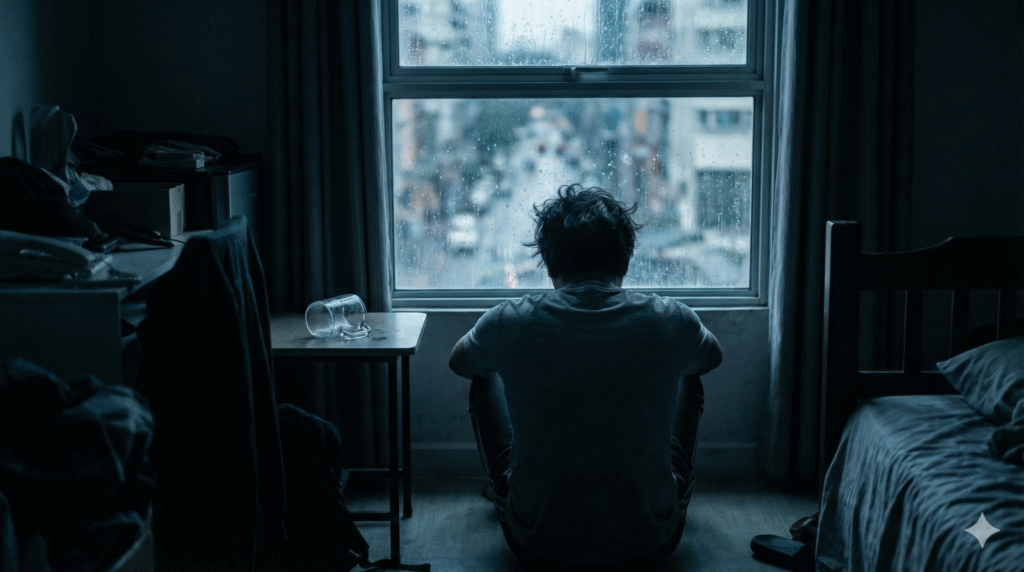
Let’s cut the polite conversation. Addiction isn’t a “bad habit.” It’s a parasite. It’s a vampire that drains your creativity, your fire, and your ability to feel anything real, replacing it all with a gray, numbing static.
If you are reading this, you probably feel like you’ve lost the script to your own life. You might feel weak. You might feel like a traitor to your own potential.
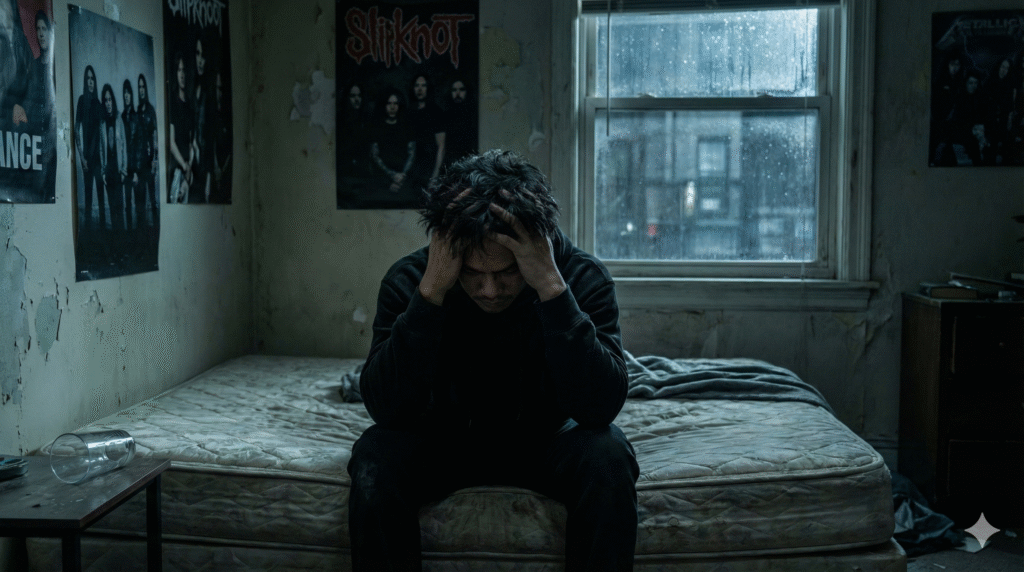
But here is the truth that the shame keeps hidden from you: Recovery is not about surrender. Recovery is an act of pure, unadulterated vengeance.
It is the act of taking back the throne of your mind from a chemical usurper.
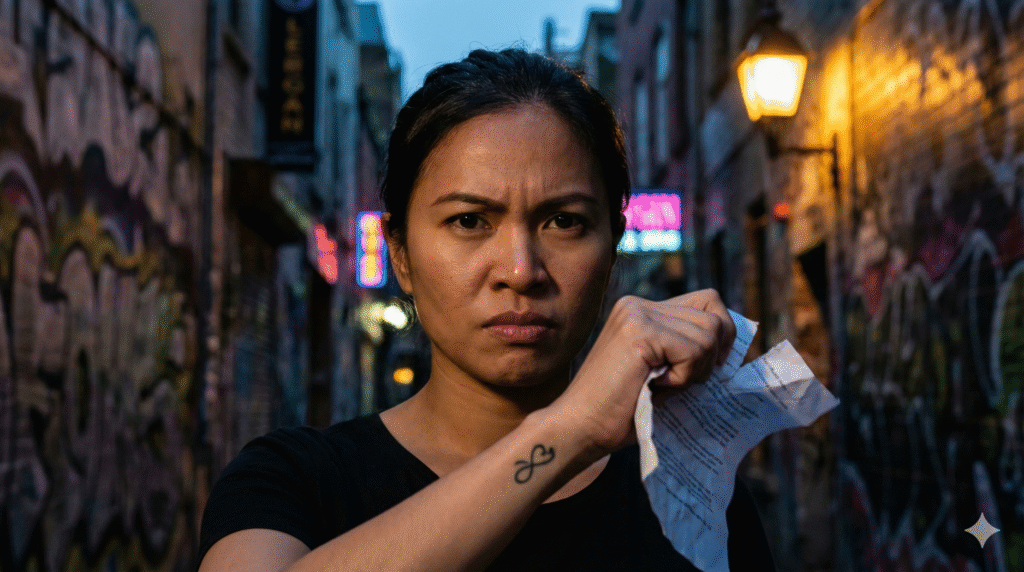
The Lie of the “Tortured Artist”
In our scene—whether you’re into goth, grunge, or metal—we have a dangerous mythology. We romanticize the “tortured artist” who needs substances to create, to feel, or to cope. We look at Layne Staley or Scott Weiland and we see the tragedy, but we sometimes mistake the poison for the muse.
Substance abuse doesn’t fuel your art; it suffocates it. It doesn’t make you deep; it makes you absent.
Realizing this is your first weapon. You aren’t giving up a friend; you are evicting a squatter that is trashing your house. The first step in overcoming substance abuse is getting angry—not at yourself, but at the addiction for stealing your time.
The Vengeance Strategy: Replacing the Ritual
Addiction is often just a corrupted ritual. You use when you’re stressed, bored, or lonely. To win, you don’t just “stop” (that leaves a void); you replace.
- The Physical Release: When the craving hits, it’s a surge of nervous energy. Don’t sit in it. Blast the heaviest track you own and physically exhaust yourself. Run, lift, scream into a pillow. Transmute that chemical itch into physical fatigue.
- The Creative Purge: The pain you are trying to numb? That is your raw material. Write it down. Draw the monster. When you externalize the demon onto paper, it loses its ability to possess you. This is art therapy in its rawest form.
- The Community Anchor: Isolation is the addiction’s best defense mechanism. Shatter it. You don’t need a massive crowd, you need a “sober circle”—a few people who know the war you are fighting.

Why “White-Knuckling” It Doesn’t Work
There is no glory in fighting a dragon with your bare hands when you could have a sword.
Trying to quit entirely on willpower is a setup for failure. Addiction rewires the brain’s survival instincts. Seeking professional addiction support—whether that’s a detox program, a therapist, or a recovery group—is not weakness. It is tactical intelligence.
Think of a therapist as a producer for your life’s album. They help you mix the tracks so the noise doesn’t drown out the melody. They give you the tools to handle the addiction triggers that ambush you on a Tuesday night.
Your Authenticity Is Your Power
The substances promised you a way to deal with the world. But they lied. They made you a ghost.
Getting clean is the most “punk rock” thing you can do because it is a rejection of the slavery of addiction. It is you standing up, bloody and battered, and screaming, “I am still here.”
Your darkness, your intensity, your love—these belong to you, not the bottle or the needle. Take them back. The world needs your art, not your ghost.
If you are battling substance use, you do not have to do this alone. Medical professionals can help you navigate the physical withdrawal safely. Strength is asking for help.