
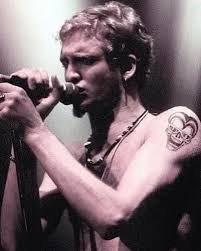
There is a specific frequency of static that fills the room when I put on Alice in Chains’ Dirt or Nirvana’s In Utero. It’s not just nostalgia for a time when flannel was armor against the world; it’s the palpable weight of ghosts.
As someone who obsessively chronicled the Seattle scene, I’ve spent decades wrestling with the central paradox of grunge: the music that made so many of us feel less alone was forged in the paralyzing isolation of its creators. We worshipped their pain because it validated ours, rarely stopping to ask if they were surviving it.
The “Seattle Sound” wasn’t just drop-D tuning and muddy distortion; it was the primal scream of untreated trauma and the suffocation of sudden fame. Looking back now, the discographies read less like albums and more like medical charts ignored by the world.
Here we remember three architects of that beautiful, bruised era, looking past the mythology to see the human struggle underneath.

Kurt Cobain (Nirvana)
Died by Suicide: c. April 5, 1994
Kurt wasn’t just the reluctant voice of a generation; he was a man visibly eroding under the weight of chronic physical pain, profound depression, and a heroin addiction that served as his only reliable anesthetic. By 1994, the light behind his eyes in interviews was terrifyingly dim. His death wasn’t the romanticized exit some painted it to be; it was a desperate flight from a cage built by fame and mental illness.
The Final Bow: While not his absolute last gig, Nirvana’s MTV Unplugged in New York serves as his spiritual farewell. Stripped of the noise, his fragility and genius were on uncomfortable display.
Layne Staley (Alice in Chains)
Died by Overdose: c. April 5, 2002
Layne’s story is perhaps the most harrowing because we watched it happen in slow motion over a decade. His lyrics were transparent cries for help—a detailed map of his descent into heroin and crack cocaine addiction. He didn’t burn out; he faded away behind the closed doors of his Seattle condo, becoming a recluse trapped by the very demons he sang about. His death, discovered two weeks after the fact, is a stark reminder of how addiction isolates even the most beloved figures.
The Final Bow: Layne’s final televised appearance with Alice in Chains was also an MTV Unplugged set in 1996. Though frail and hiding behind sunglasses, his voice remained a haunting force of nature.
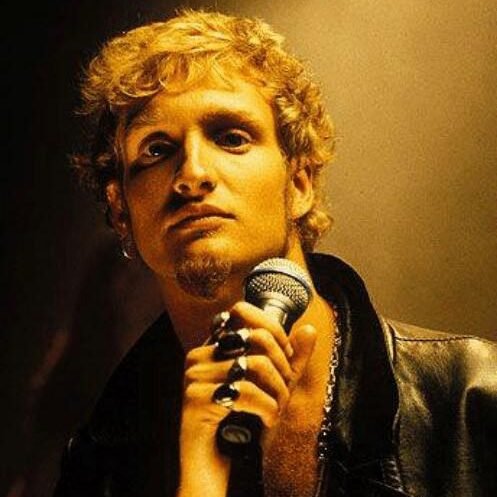

Chris Cornell (Soundgarden)
Died by Suicide: May 18, 2017
Chris was supposed to be the survivor. He was the golden god who outlived the carnage of the 90s, got sober, and rebuilt his life. His death in 2017 shattered the illusion that you can ever fully “beat” depression. It proved that mental health is not a destination, but a daily, exhausting tightrope walk. Losing him felt like losing the era’s wise elder, the one who was supposed to guide us through the darkening years.
The Final Bow: Just hours before his death, Chris performed with Soundgarden in Detroit. His final song was a heavy, prophetic cover of Led Zeppelin’s “In My Time of Dying.”
The Silence Remains
The music these men left behind is immortal, but we must stop romanticizing the suffering that fueled it. Their legacy shouldn’t just be great albums; it should be a deafening wake-up call that untreated mental illness and substance abuse have no preference for talent or fame. They bleed out the same.