
In the archives of rock history, there are entire wings dedicated to what could have been. We are drawn to the darkness in music, to the artists who seem to feel things more deeply than the rest of us. Yet, as an alternative rock fan and a writer, observing this machinery for years, I’ve realized that the very sensitivity that allows these artists to create transcendent art is often the same vulnerability that leaves them exposed to the world’s sharpest edges.
The narrative of the “tortured artist” is a dangerous cliché. It transforms agonizing human struggles—bipolar disorder, severe anxiety, crippling addiction—into a necessary ingredient for greatness. It is not. The art survived despite the pain, not because of it.
Today, in the quiet of this space, we light a candle for three architects of sound from different eras whose lights were extinguished by the twin shadows of mental illness and substance abuse.
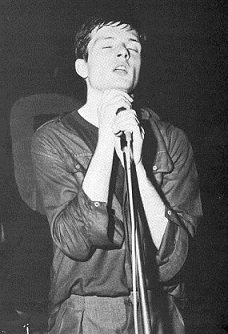
Ian Curtis (Joy Division)
Died by Suicide: May 18, 1980
Ian Curtis remains the patron saint of post-punk melancholy. His frantic, possessed stage presence was a physical manifestation of his internal chaos, compounded by worsening epilepsy and a crumbling personal life. He was barely 23 when the darkness overtook him, on the eve of the band’s first American tour. His lyrics on albums like Closer read like final notes from the edge of an abyss, documenting a profound isolation that few around him truly grasped until it was too late.
The Final Bow: Joy Division’s last concert took place at Birmingham University, mere days before his death. The recording is raw, chaotic, and deeply unsettling.
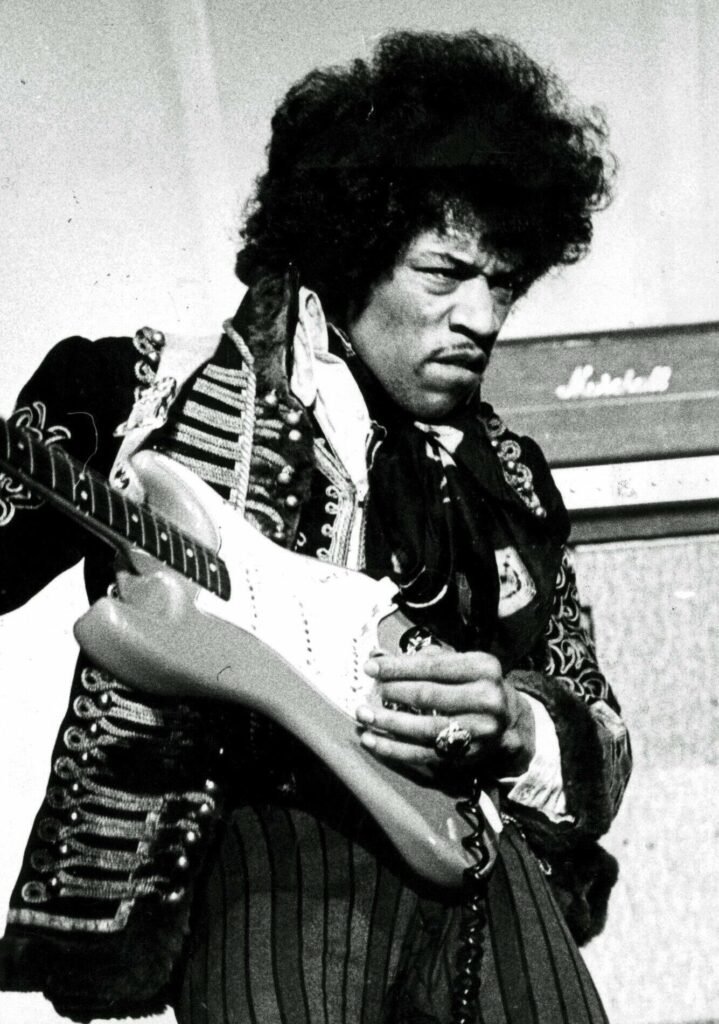
Jimi Hendrix
Died by Overdose: September 18, 1970
Jimi wasn’t just a guitarist; he was a celestial event. He rewired what we thought was possible with six strings. Yet, the pressure to constantly be “Jimi Hendrix,” combined with the deeply entrenched drug culture of the late 60s, led to a lonely, accidental end in a London hotel room at age 27. His death from barbiturate intoxication wasn’t a glamorous rock statement; it was a tragic miscalculation that robbed the world of decades of musical evolution.
The Final Bow: Jimi’s last major appearance was at the Love & Peace Festival in Fehmarn, Germany, battling rain and a chaotic crowd just days before he died.
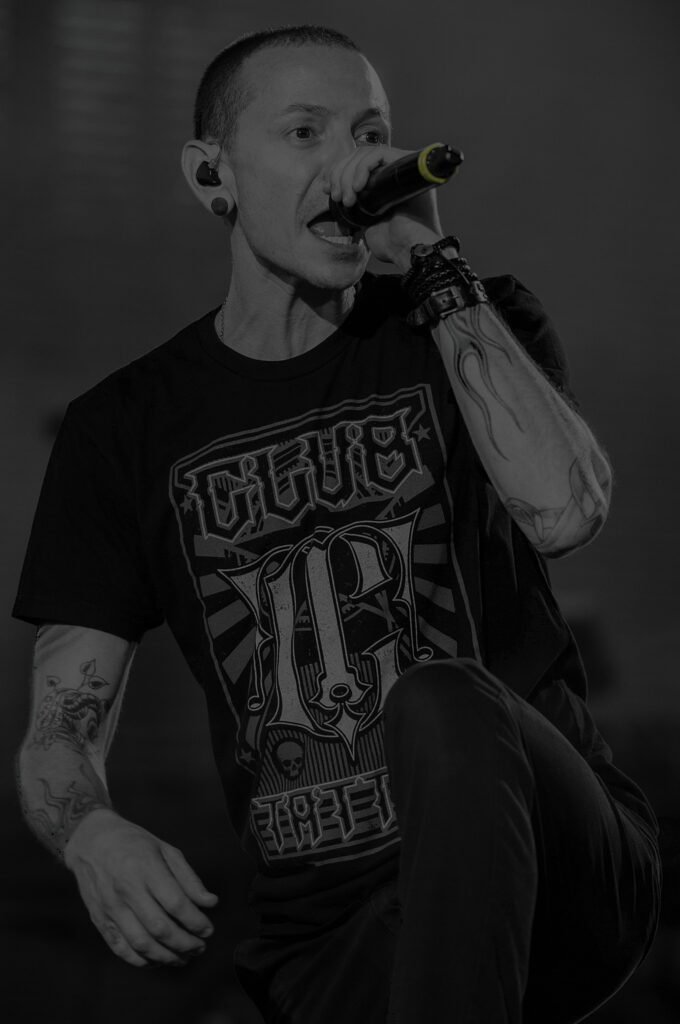
Chester Bennington (Linkin Park)
Died by Suicide: July 20, 2017
Chester’s voice was the sound of a generation screaming its hidden pain. For millions, he was the conduit for their own angst and trauma. He was remarkably open about his past struggles with abuse, addiction, and severe depression. His suicide, occurring on the birthday of his late friend Chris Cornell, was a devastating blow that proved fame and adoration are no shield against the internal monologue of self-destruction. He saved so many others with his words, but couldn’t save himself.
The Final Bow: Chester sounded incredible at Linkin Park’s final show in Birmingham, UK, masking the immense pain he was carrying just two weeks before his death.
The Endless Echo
When the amplifiers fade to black, the silence is deafening. We must honor these artists not by glorifying their ends, but by acknowledging the very real human battles they fought. The greatest tribute we can pay them is to take care of ourselves and each other.
> Help is out there. If the shadows are closing in, reach out. You can call or text 988 in the US/Canada, or call 111 in the UK. Your life matters more than the art.