
The year is 2026, and humanity finds itself peering into a new kind of mirror – the cold, calculating reflection of Artificial Intelligence. With 72% of adults now reporting “Future-State Anxiety” specifically related to AI, according to a recent Gallup poll, we are witnessing an unprecedented “Uncanny Valley Syndrome” playing out in the collective psyche. This isn’t just a philosophical debate; it’s a palpable crisis of meaning, eroding the very bedrock of human identity for a generation entering a workforce increasingly populated by algorithms and neural networks.
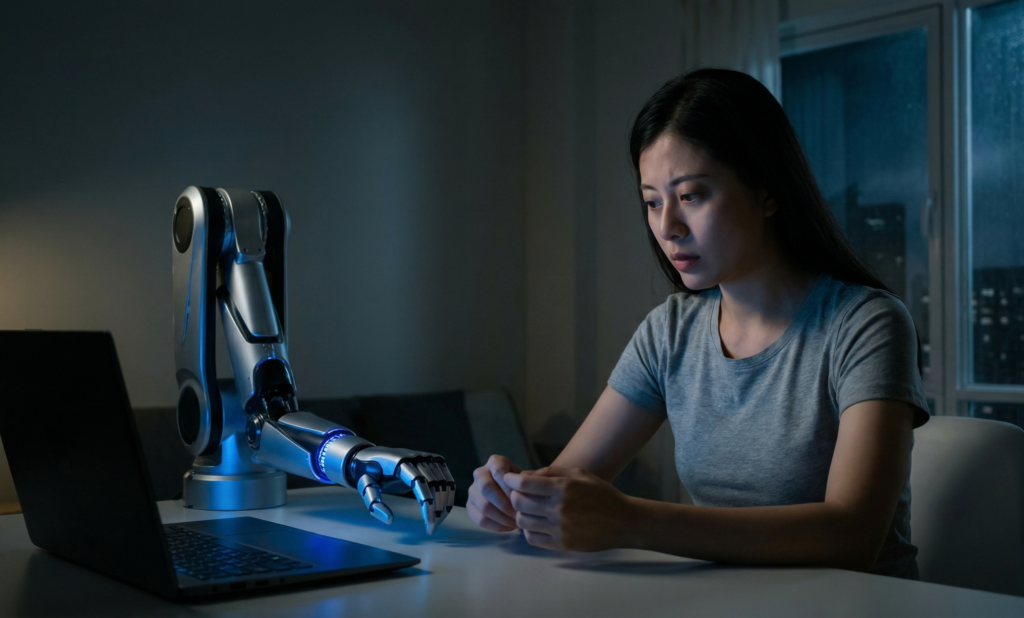
The question echoes in the minds of millions: If a machine can create art, compose music, write code, and converse with a fluency indistinguishable from a human, then what is the inherent value of the human spirit? This isn’t theoretical job displacement; it’s existential “Identity Displacement.” The unique attributes once considered hallmarks of human ingenuity – creativity, empathy, strategic thinking – are now being mimicked, and in some cases, surpassed, by AI. The psychological data is stark: reports of “purpose erosion” and “value deprecation” are at an all-time high, particularly among Gen Z and younger Millennials who feel their career paths are being paved over by automated efficiency. The rapid advancements of AI have left many feeling like obsolete models in a software update.
This growing apprehension has spurred a fascinating counter-movement: the rise of “Human-Only” creative and professional spaces. These are emerging as vital underground sanctuaries, communities where the explicit rule is no AI generation, no algorithmic assistance, and no synthetic input. From art collectives to coding workshops, the demand for “pure human output” is becoming a premium, a defiant assertion of intrinsic human worth. These spaces are not merely nostalgic; they are therapeutic, offering a refuge from the constant pressure to compete with perfect, tireless machines. They are places where the messy, imperfect, and uniquely human process of creation is celebrated, flaws and all.
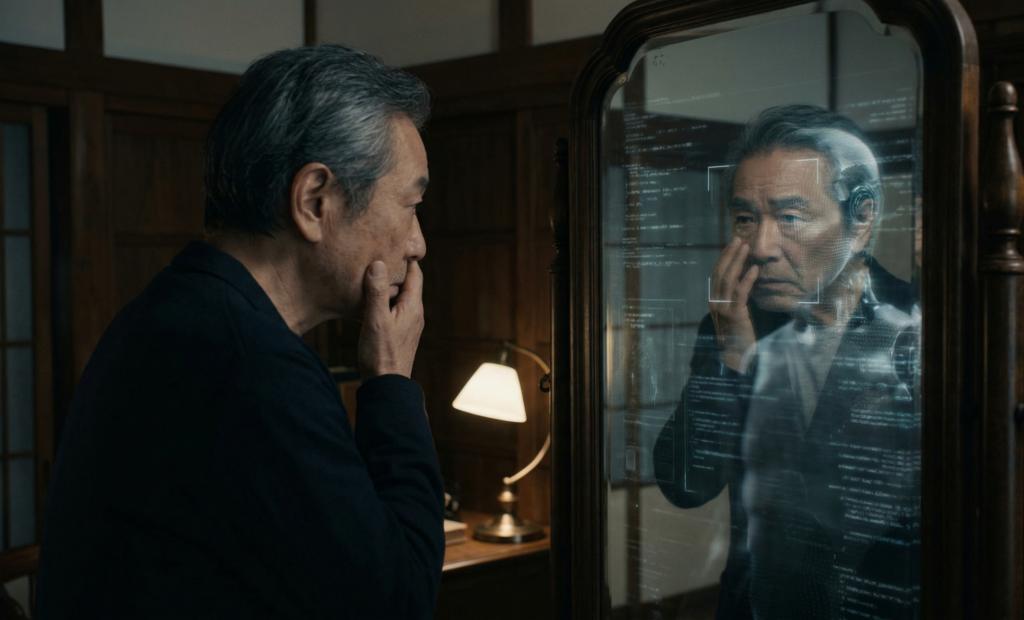

At GothKnight, we argue that the gothic aesthetic, with its deep appreciation for the “imperfect,” the “haunted,” and the profoundly human struggle, offers the ultimate antidote to the sterile perfection of AI. Gothic art, literature, and music have always explored the depths of emotion, the beauty in decay, and the undeniable presence of the shadow self. These are realms that AI, for all its sophistication, struggles to genuinely replicate because they stem from lived experience, from the triumphs and tragedies of flesh and blood. The gothic embrace of melancholy, of the grotesque, and of the raw emotional landscape provides a powerful counter-narrative to the optimized, emotionless efficiency of artificial intelligence. It reminds us that our vulnerabilities are not weaknesses but the very source of our unique strength and depth.
The fear isn’t just about losing jobs; it’s about losing the narrative of what it means to be human. AI Anxiety forces us to confront uncomfortable questions about consciousness, free will, and the future of our species. It pushes us to define our non-negotiable human elements – empathy, intuition, and the capacity for profound, sometimes irrational, love and sorrow. In this turbulent landscape, the gothic sensibility, which has always challenged societal norms and celebrated individuality, provides a compass. It encourages us to look inward, to cultivate our unique inner worlds, and to find value not in what we can produce efficiently, but in who we are authentically.
The cracking of the machine mirror reveals not a flaw in the AI, but a new opportunity for humanity to rediscover its own distinct reflection. It’s a chance to champion the messy, the mysterious, and the profoundly soulful aspects of existence that no algorithm can truly simulate. In 2026, as AI continues its relentless advance, embracing our uniquely human flaws and complexities becomes not just an artistic statement, but an act of profound psychological resilience and a declaration of our enduring identity.