
In 2026, a new term has infiltrated the lexicon of mental health professionals and cultural commentators alike: “Digital Dread.” It’s not just screen fatigue; it’s a profound, existential weight felt by a generation born into, and entirely shaped by, a world of constant surveillance and algorithmic curation. For Gen Z, the digital realm isn’t a tool; it’s the very air they breathe, and increasingly, it’s suffocating them.
The promise of hyper-connectivity has ironically delivered unprecedented levels of online isolation. Social platforms, once hailed as tools for connection, have optimized their architectures for engagement over genuine empathy. The result? A pervasive sense of “Passive Consumption Fatigue.” Users report feeling drained, not by active interaction, but by the relentless, often disingenuous, feed of curated perfection and performative activism. The constant comparison, the ever-present highlight reels of others’ lives, and the subtle pressure to maintain an online persona are insidious drains on mental energy. Data from the National Institute of Mental Health (NIMH) in Q3 2025 indicated a 45% increase in self-reported symptoms of “online-induced anxiety” among individuals aged 18-29. This isn’t just about FOMO; it’s about the erosion of self-worth in a perpetually public arena.
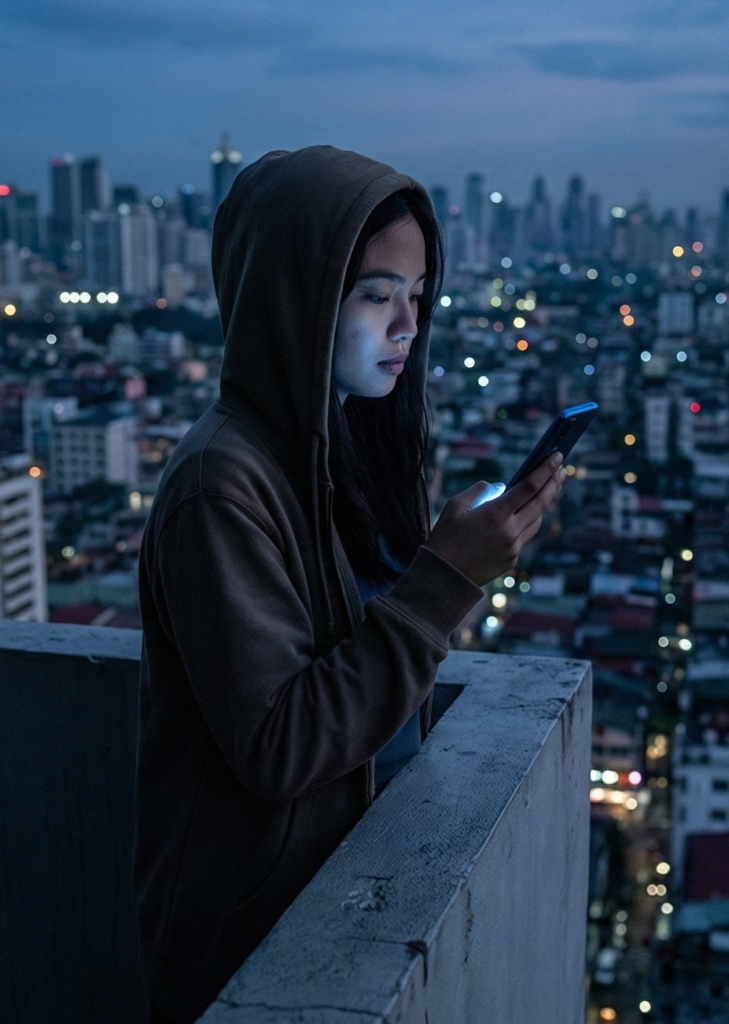
What’s truly fascinating is the viral counter-movement emerging from this digital malaise. Young people, often aligning with the aesthetic and philosophy of the gothic subculture, are “going dark.” This isn’t a symptom of depression in the traditional sense, but rather a deliberate, protective ritual. They are disengaging from social feeds, deleting profiles, and actively seeking offline sanctuaries. This reclamation of personal space, both digital and mental, is a desperate attempt to escape the “neon noise” – the overwhelming cacophony of notifications, trending topics, and incessant demands for attention. It’s a return to introspection, to the quiet corners of the mind that the internet had all but paved over.
The gothic ethos, with its historical embrace of shadows, solitude, and the beauty found in melancholy, offers a surprisingly potent antidote to Digital Dread. For centuries, goths have carved out spaces for self-expression outside mainstream norms, finding solace in introspection and rebellion against superficiality. This subculture, often misunderstood, provides a readymade blueprint for survival in an overstimulated world. It teaches the value of discernment, the power of quiet contemplation, and the artistic potential in exploring the deeper, darker facets of the human experience – facets often suppressed by the relentlessly cheerful facade of online life. This isn’t about promoting despair; it’s about acknowledging complexity and finding strength in authenticity, even if that authenticity is a bit dark around the edges.
The “dark wellness” movement, heavily amplified by communities like GothKnight, champions practices that help individuals disconnect and reconnect with their inner selves. This includes things like digital detoxes, mindful engagement with analogue hobbies, and fostering real-world communities based on shared interests rather than algorithmic suggestions. The act of turning off, of retreating into one’s own internal cathedral, is becoming a radical act of self-preservation. In a world that demands constant visibility, the act of disappearing, even for a short while, is a powerful form of resistance. It allows for the necessary mental recalibration, a chance to rebuild the inner architecture of the self, free from the external pressures of the digital realm. The shadows, it turns out, aren’t just for hiding; they’re for healing.
The rise of Digital Dread highlights a critical juncture in our relationship with technology. It’s a call to re-evaluate what true connection means and to recognize the inherent value in offline existence. As Gen Z courageously reclaims the shadows, they are, in essence, performing an essential cultural service: reminding us all that true well-being is found not in the endless scroll, but in the depths of our own unfiltered, imperfect, and wonderfully human selves.
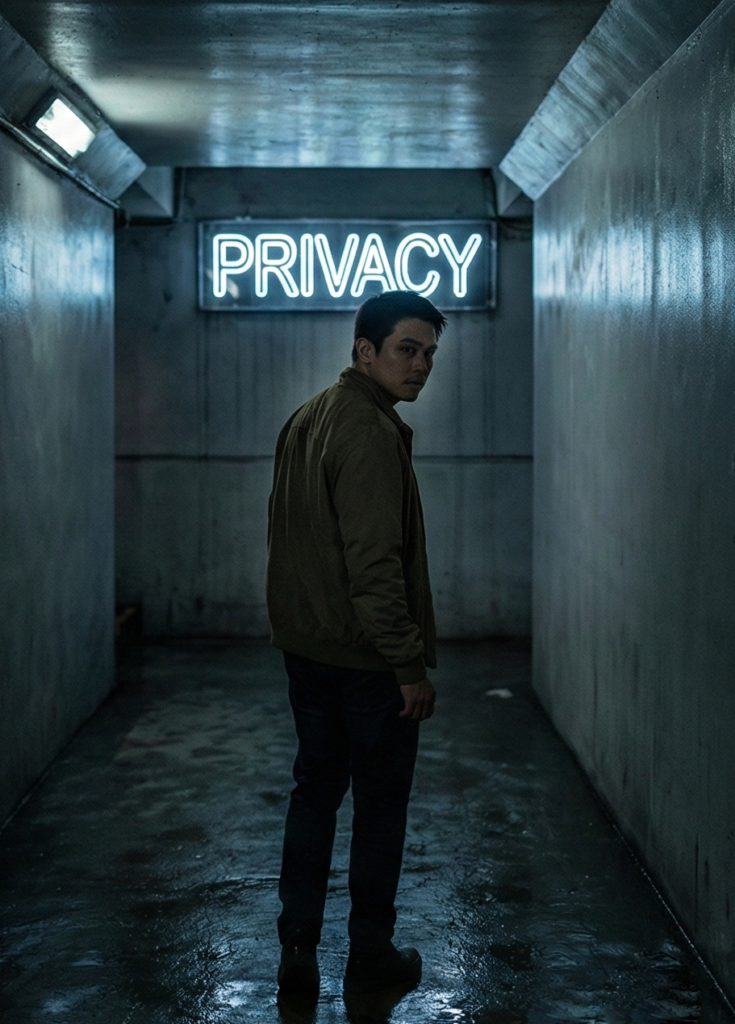
One of the most important aspects of this cultural shift is the understanding that resistance doesn’t always look like protest; sometimes it looks like unplugging. The simple act of choosing silence over sound, depth over breadth, and presence over performance is revolutionizing how a generation approaches mental health.
They are, in their own quiet way, building new foundations for well-being, brick by deliberate, offline brick.