
For decades, Hollywood has done a spectacular job of terrifying the public about Dissociative Identity Disorder (DID), once known as multiple personality disorder. They’ve painted a picture of dangerous, unpredictable maniacs.
The reality, as I’ve learned from sitting with dozens of people living with DID systems, is heartbreakingly different. DID is not a monster story. It is a survival story.
DID is arguably the human mind’s most brilliant, desperate attempt to cope with unspeakable childhood trauma. When a child is subjected to abuse too catastrophic for a single consciousness to bear, the mind does something incredible: it fragments. It creates walled-off sections—distinct identity states or “alters”—to hold the memories and pain that the “host” child cannot survive.
One alter might hold the rage. Another might hold the terror. Another might handle daily functioning, completely amnesic to the horrors the others hold.
“My system saved my life,” a 24-year-old woman told me recently. “If I had to feel everything that happened to me all at once, I wouldn’t be here.”
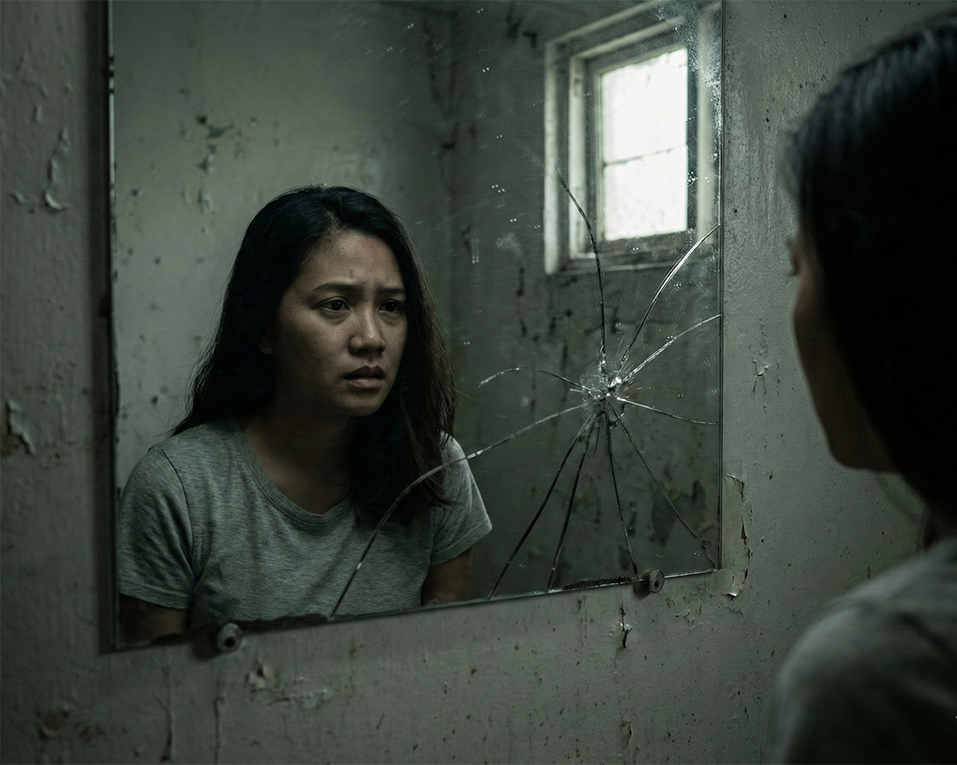
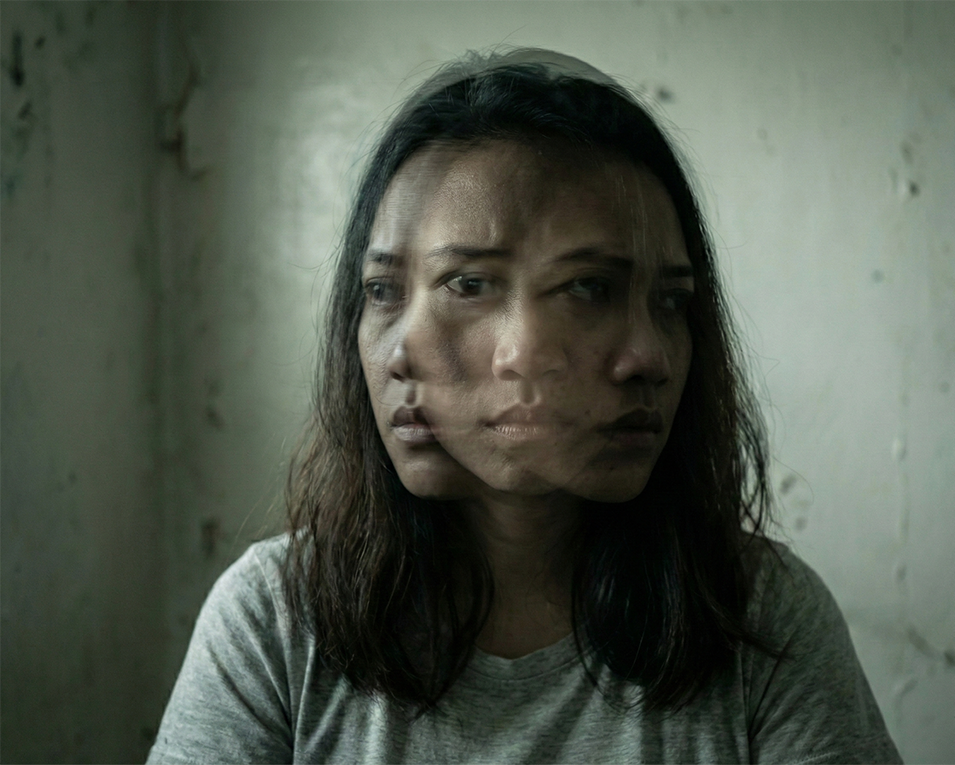
The challenge for adults with DID is that this survival mechanism, once crucial, becomes chaotic in adulthood. You lose time. You find clothes you didn’t buy. You have internal arguments that are deafening.
If you suspect you are experiencing this fragmentation, the current therapeutic landscape is much safer than it used to be. The goal is no longer forced “integration” (merging everyone into one). The modern approach is collaboration—helping the different parts of the system communicate, respect each other’s roles, and heal the original wounds together. You aren’t crazy. You are just many.