
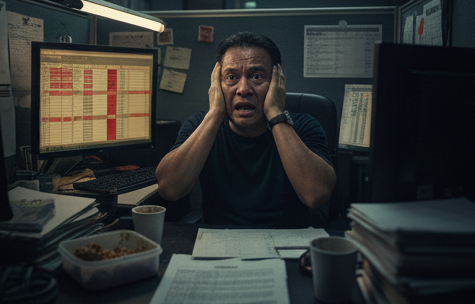
That feeling. You know it. It starts as a whisper of dread, and then, suddenly, the volume gets cranked to max. Your chest tightens like a vice. The air turns to sand. Your mind scrambles, convinced you’re either dying or going completely mad. It’s an ambush, a brutal attack where the enemy is invisible and the walls feel like they’re literally closing in.
I’ve been pinned down by those attacks more times than I care to count. They leave you shredded, ashamed, and exhausted.
This isn’t clinical advice; this is a raw survival cheat sheet, a set of stage directions for getting through those minutes when you desperately need anxiety relief strategies. These therapeutic techniques are focused on immediate, emergency control.

Step 1: Halt the Motion and Re-Tune Your Rhythm
Your first instinct is often to panic, to run, or to fight the feeling. Don’t. That just feeds the fire. The key to managing panic attacks is interrupting the physical spiral immediately.
- Stop Moving. Immediately. If you can, sit down, lean against a wall, or get down low. Give your body one command: Halt.
- Anchor Your Breath. The attack messes with your core rhythm. You need to force the tempo back. Breathe like you’re counting out a slow, deliberate bassline:
- Inhale for 4 counts (Slow and deep).
- Hold for 2 counts.
- Exhale for 6 counts (Slow, controlled release).
- Repeat 5-10 times. Focus only on the numbers. Let the counting be the only thing that exists.
Step 2: Utilize Grounding Exercises (The 5-4-3-2-1 Method)
When your mind is screaming, you need to force it back into the present moment. Your thoughts are lying to you; your senses are not. These anxiety attack coping techniques use sensory input to ground you in reality.
- 5 Things You Can See: Look for details. The fraying thread on your sleeve. The dust motes in the light. Name them aloud or in your head.
- 4 Things You Can Feel: Touch your clothing. Feel the cold metal of a ring or chain. Feel the ground beneath your feet. Focus on the texture and temperature.
- 3 Things You Can Hear: Block out the internal noise. A distant car. The buzz of the refrigerator. The sound of your slow breath.
- 2 Things You Can Smell: Is there coffee? Dust? The faint scent of leather? Force your nose to seek it out.
- 1 Thing You Can Taste: Chew gum, sip water, or just feel the dryness of your mouth. A single, focused taste.

Step 3: Sensory Interruption for Fast Relief
If the grounding fails to break the loop, you need a shock to the system. The attack thrives on stasis.
Change the Frequency. If possible, splash ice-cold water on your face and neck. The sudden temperature drop can immediately reset the nervous system. Alternatively, hold an ice cube firmly in your hand. The pain and cold are undeniable and force your brain to focus on an external stimulus. This is a powerful mental health self care trick.
Step 4: Use a Mantra as Your Shield
Find Your Power Phrase. Your mind needs an order, not a suggestion. Repeat a simple, powerful, factual mantra over and over until it starts to override the fear signal. My personal favorite is: “This feeling is temporary. I am safe. I am in control of my breath.” Make it short. Make it absolute.
Step 5: Forgive the Process and Rest
The Aftermath: Zero Judgment. The attack is done. You survived. Now, you rest. Do not let shame creep in. You just won a very painful, frightening fight. Reclaim your energy by taking a short walk or listening to music that actually calms you down. This is part of responsible managing panic attacks.


When the walls close in, remember: You are the lead character in this horror show, and you have the power to write the ending. Take back your rhythm. Anchor yourself in the now.
You are safe. This is temporary. You survived the static.
If anxiety is becoming a daily fight that is stealing your life, it’s time to call in a professional. These steps are for emergency coping, but persistent anxiety requires specialized treatment. Getting professional support is the single bravest action you can take.
Pingback: Shadows in the Spotlight: A Requiem for Rock’s Lost Souls – The Gothknight
Pingback: The Swan Syndrome: When High-Functioning Anxiety looks Like Success SEO – The Gothknight