
It’s a story I’ve heard hundreds of times over the last fifteen years, whispered in therapy rooms and shouted in memoirs. It starts not with a desire to party, but a desperate need to feel normal, or perhaps, to feel nothing at all.
In 2025, we finally seem to be grasping a fundamental truth that experts have been shouting for decades: Addiction isn’t a moral failing; it’s a misfiring survival mechanism.
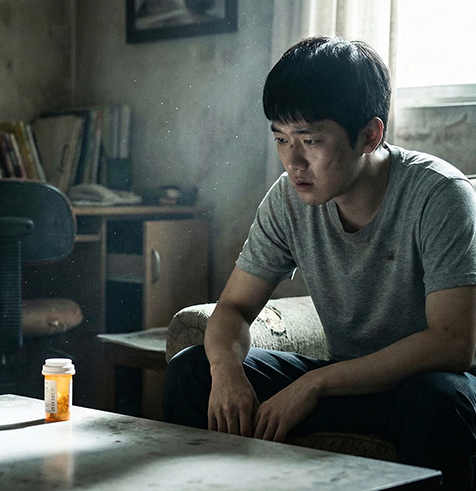
When I interview leading addiction psychiatrists today, the conversation rarely centers on the substance itself—whether it’s opioids, alcohol, or the synthetic variants that keep emerging. The focus is almost entirely on the pain that predates the use. Dr. Elena Rostova, a specialist in dual diagnosis, recently told me, “Nobody becomes addicted to feeling good. They become addicted to the absence of feeling unbearable.”
The tragedy of substance use disorder is that it works—temporarily.
It’s an effective anesthetic for trauma, deep-seated anxiety, or undiagnosed neurodivergence. Until, of course, it stops working and starts taking everything else instead.
If you are reading this and currently white-knuckling your way through a craving, know this: Your brain has been rewired by a hijacker.
The shame you feel is a symptom of the disease, not a reflection of your character.
The most significant shift I’ve seen in recovery advocacy is the embrace of “harm reduction” and the understanding that relapse is often part of the messy trajectory of healing. It’s not failure; it’s data. It’s a signal that the underlying wound still needs tending.


Recovery isn’t about just stopping the intake.
It’s about building a life where you no longer need to escape yourself. It’s terrifying work, but it is the only work that matters.
Pingback: Shadows in the Spotlight: A Requiem for Rock’s Lost Souls – The Gothknight